







 Garantía de entrega



SKU/Artículo: AMZ-9348292447
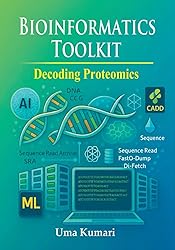
Bioinformatics Toolkit Decoding Proteomics
Detalles del producto
Disponibilidad:
En stock
En stock
Peso con empaque:
0.75 kg
0.75 kg
Devolución:
No
No
Condición
Nuevo
Nuevo
Producto de:
Amazon
Amazon
Viaja desde
USA
USA
Sobre este producto
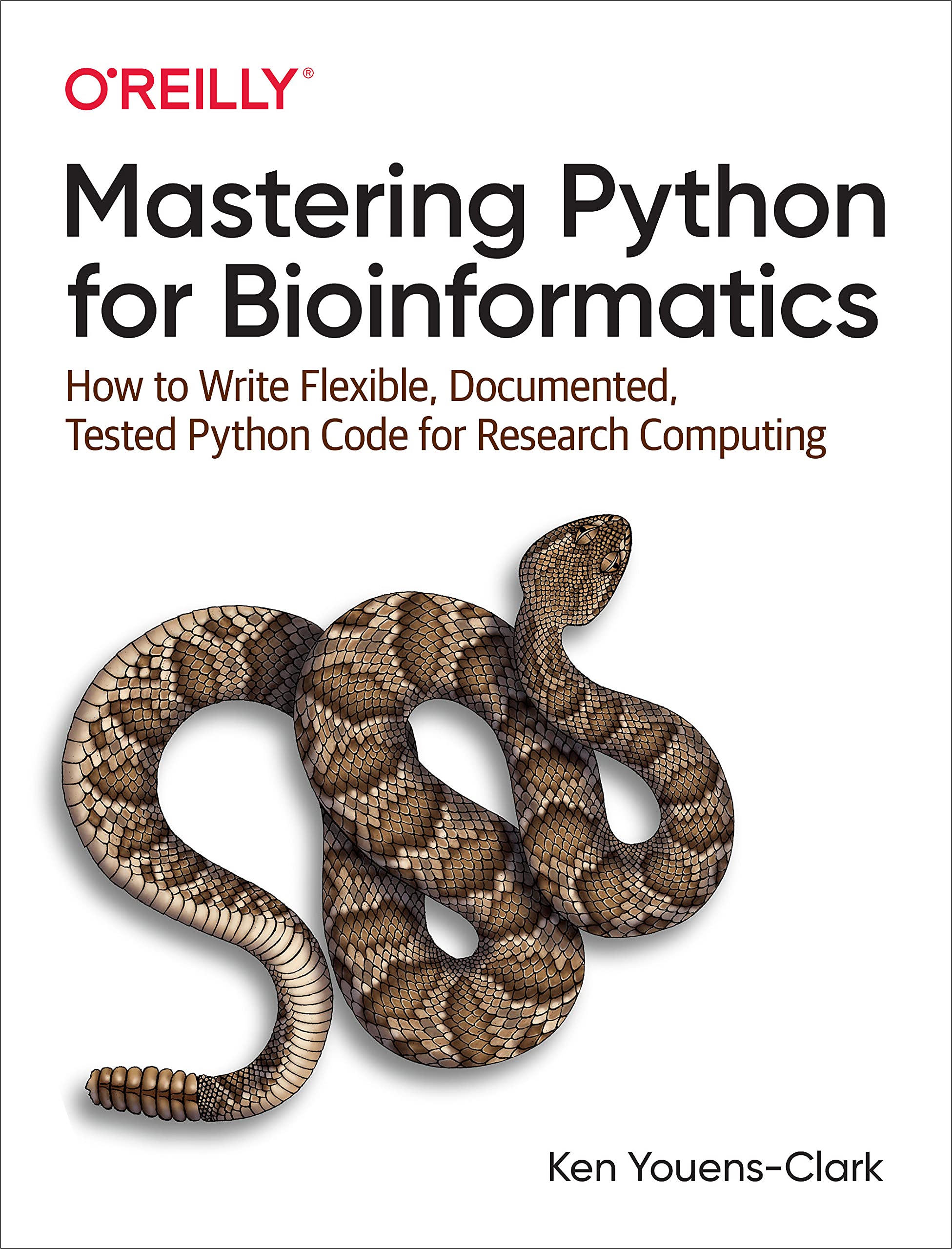
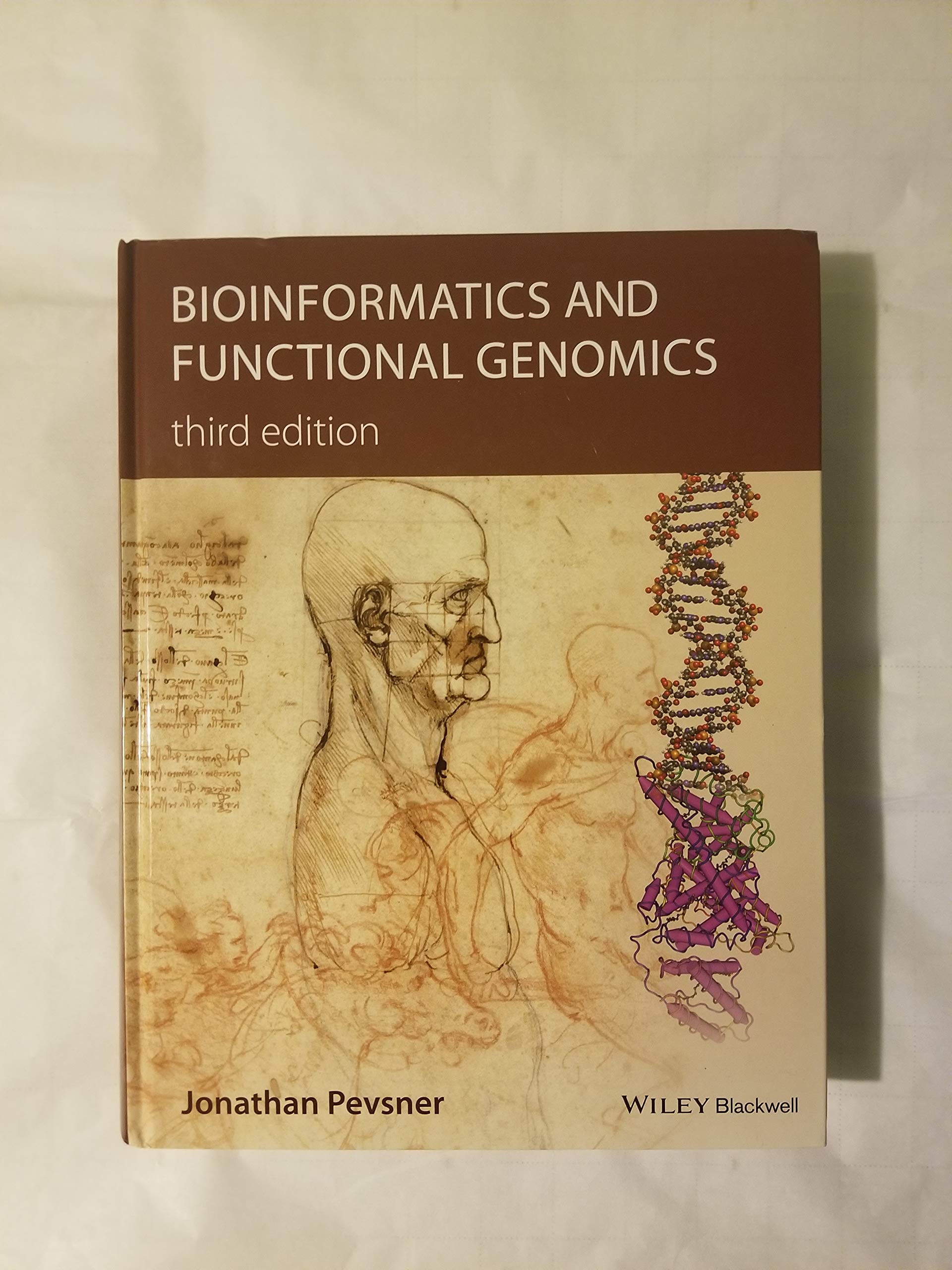
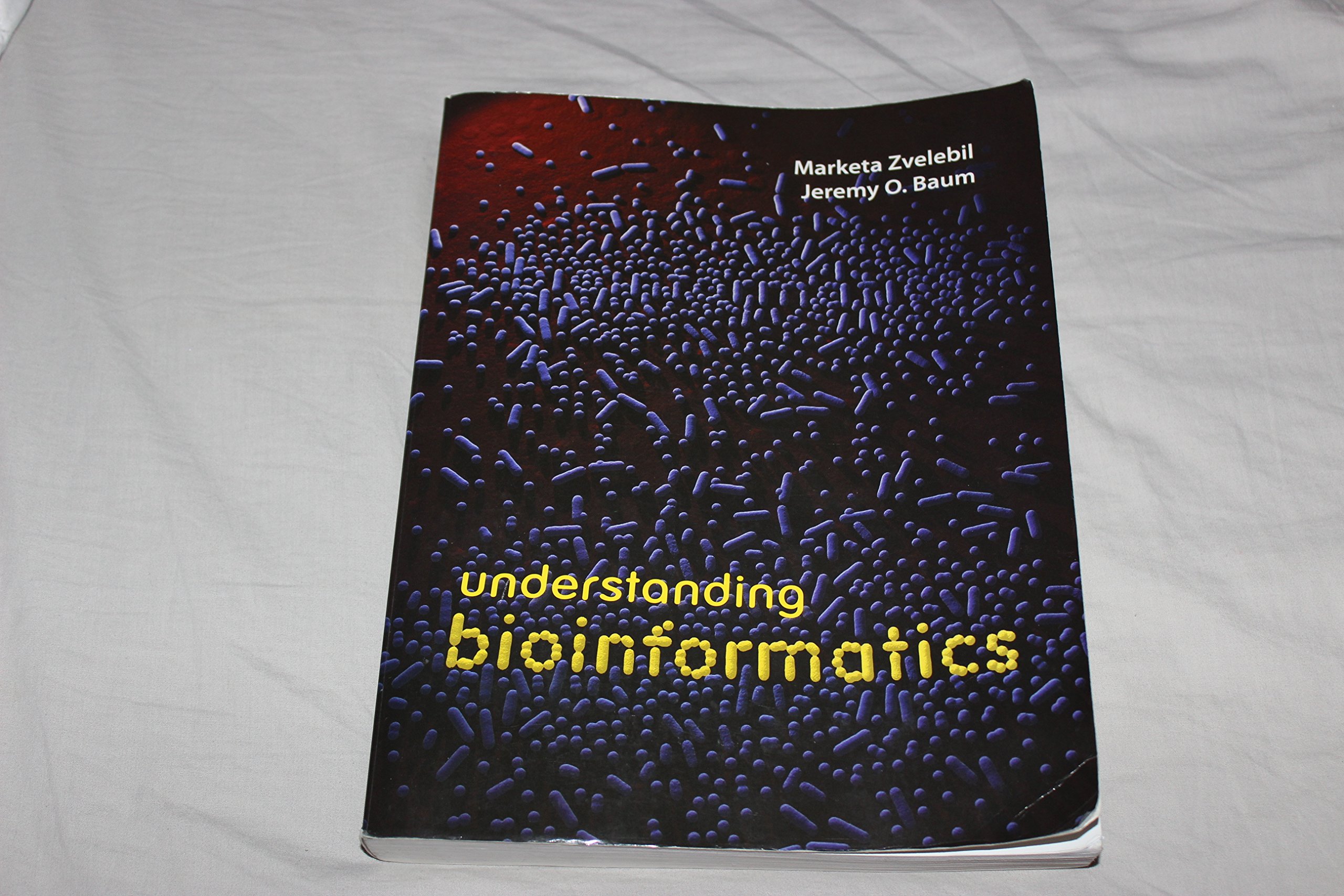
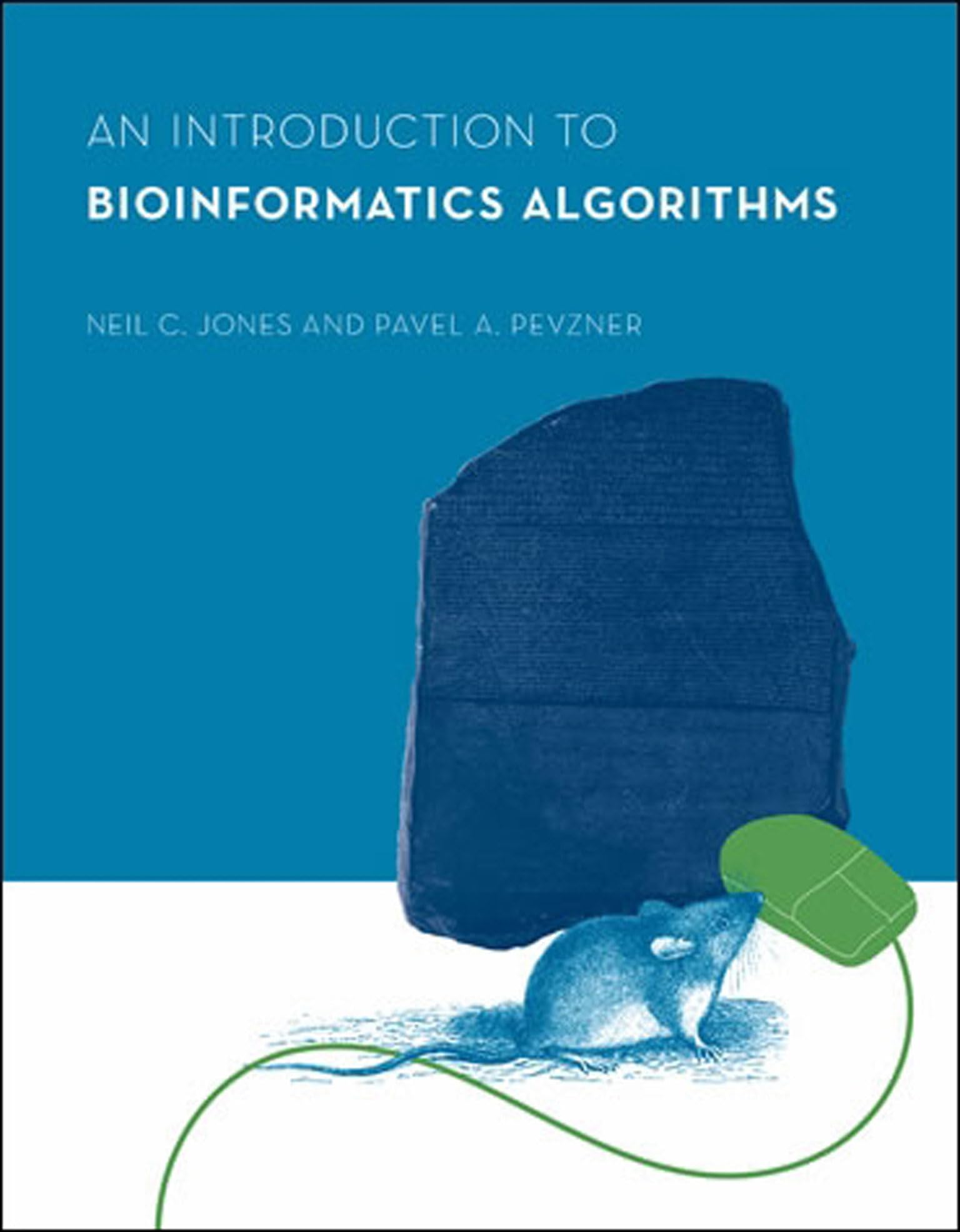
- The multidisciplinary field of bioinformatics combines biology, statistics, and computer science to analyse and understand vast amounts of biological data. Since it has transformed our comprehension, analysis, and manipulation of biological systems, it is now crucial in drug discovery, proteomics, genomics, and personalized medicine. This book explores the core concepts, tools, and applications of bioinformatics while shedding light on recent advancements and challenges in the field. The book begins with an introduction to bioinformatics, detailing its evolution throughout time and its significance in addressing difficult biological problems and updated skills. It explains the foundations of biological data generation, including DNA sequencing, protein structure determination, and high-throughput methods. This basic knowledge establishes the foundation for understanding the computational tools and algorithms that are crucial.Major bioinformatics resources, like as databases like GenBank, UniProt, and Protein Data Bank (PDB), are covered in detail in the following section. It talks about how these repositories allow researchers to derive valuable insights by storing protein structures, nucleotide sequences, and functional annotations. The function of computational tools such as Clustal, and bio python, string, Machine learning, AI in sequence alignment, structural analysis, and network visualization is also highlighted in this section. The use of bioinformatics in a variety of fields takes up a large amount of the book. It investigates how genome assembly, annotation, and comparative research are facilitated by bioinformatics. With an emphasis on protein identification, functional annotation, and structural modelling, the function of bioinformatics in proteomics is examined. Its contributions to database, ngs and sequence alignment, structural bioinformatics, Machine learning, AI are highlighted in book chapters. Bioinformatics' transformative impact on drug discovery and personalized medicine is emphasized. Topics such as computational drug design, target identification, and pharmacogenomics illustrate how bioinformatics accelerates drug development. The integration of genetic and clinical data for tailoring individualized therapies showcases its potential in precision medicine. The scope of bioinformatics extends to agriculture and environmental sciences. This book explains how bioinformatics is used to enhance crop traits, improve food security, and study microbial communities in ecosystems. Applications in synthetic biology and evolutionary biology are also discussed, demonstrating the field's versatility or industry professional this book provides valuable insights into bioinformatics' principles, applications, and future directions, Emerging technologies like artificial intelligence, machine learning, and big data analytics are transforming bioinformatics. The book discusses how these technologies facilitate predictive modelling, enhance pattern recognition, and aid biological researchers in decision-making. Advances in single-cell sequencing, synthetic biology, and spatial omics further emphasize the dynamic nature of the field. Career options and skill needs in bioinformatics are also covered in the book. It helps readers become proficient in statistical analysis, programming, and molecular biology. Discussions of issues including scalability, ethical issues, and data integration offer a realistic view of the state of the subject today. To sum up, this book provides a thorough introduction to bioinformatics, giving readers the skills and information they need to successfully negotiate this quickly developing field.
U$S 131,98
55% OFF
U$S 59,99
IMPORTÁ FACIL
Comprando este producto podrás descontar el IVA con tu número de RUT
NO CONSUME FRANQUICIA
Si tu carrito tiene solo libros o CD’s, no consume franquicia y podés comprar hasta U$S 1000 al año.
U$S 131,98
55% OFF
U$S 59,99
 Llega en 15 a 25 días hábiles
con envío
 Tienes garantía de entrega
Compra protegida
Disfruta de una experiencia de compra segura y confiable
![]() Garantía de entrega
Garantía de entrega
Con Tiendamia todas tus compras cuentan con Garantía de Entrega o devolución total de tu dinero.
Compras 100% seguras y garantizadas, para que pidas lo que soñás y lo recibas del mundo a tu puerta.
Saber más.
Tarjetas prepagas, debito, y credito
Paga hasta en 12 cuotas sin interés con tarjetas de crédito.

Visa

Mastercard

American Express

Dinners

Discover

Lider

Midinero

OCA

OCA Blue

Tarjeta PREX
Pagos a través de PayPal
Paga en dólares con Tarjetas internacionales a través de PayPal.

PayPal