

 Garantía de entrega




SKU/Artículo: AMZ-B0CBHFX3HL
Docker software - collection
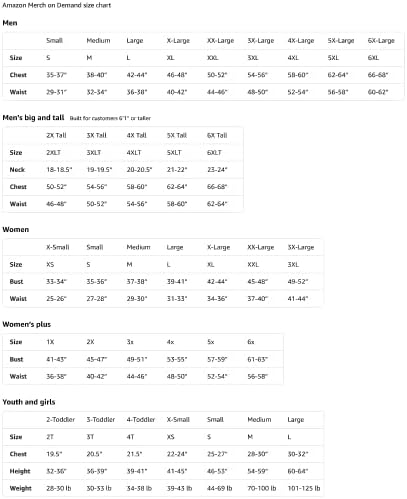
(DOUBLE SIDED) Docker - Software Programming and Developing T-Shirt
Size:
Small
Fit Type:
Men
Color:
Black
Disponibilidad:
Fuera de stock
Fuera de stock
Peso con empaque:
0.36 kg
0.36 kg
Devolución:
No
No
Condición
Nuevo
Nuevo
Producto de:
Amazon
Amazon

Fuera de stock
Selecciona otra opción o busca otro producto.
Este producto viaja
de USA ![]() a tus manos en
a tus manos en
![]()
 a tus manos en

Conoce más detalles
For more Docker designs, please click the "Brand" link at the product title. Docker is an open-source platform that allows developers to automate the deployment and management of applications within lightweight, isolated containers. It provides a way to package an application and its dependencies into a standardized unit called a container. These containers are portable and can run on any system that supports Docker, regardless of the underlying operating system or hardware. Docker Engine is the core component of Docker. It is a client-server application that runs on the host machine and manages the containers. Docker Daemon runs as a background service on the host and manages the container lifecycle, networking, and storage. Docker CLI (Command-Line Interface) is used to interact with the Docker daemon via the command line to build, run, and manage containers. Docker API defines the interfaces that programs can use to interact with Docker. Docker Image is a read-only template that contains the instructions to create a container. It includes the application code, runtime, libraries, and dependencies needed to run the application. Images are built using a declarative text file called a Dockerfile, which specifies the steps to create the image. Docker Volumes provide a way to persist data generated or used by containers. A volume is a directory within the container or on the host that can be shared between containers or preserved when a container is removed. It allows data to be stored separately from the container, enabling easier data management and seamless container replacements.
Compra protegida
Disfruta de una experiencia de compra segura y confiable
![]() Garantía de entrega
Garantía de entrega
Con Tiendamia todas tus compras cuentan con Garantía de Entrega o devolución total de tu dinero.
Compras 100% seguras y garantizadas, para que pidas lo que soñás y lo recibas del mundo a tu puerta.
Saber más.
Tarjetas prepagas, debito, y credito
Paga hasta en 12 cuotas sin interés con tarjetas de crédito.

Visa

Mastercard

American Express

Dinners

Discover

Lider

Midinero

OCA

OCA Blue

Tarjeta PREX
Pagos a través de PayPal
Paga en dólares con Tarjetas internacionales a través de PayPal.

PayPal

 Tienes garantía de entrega