









 Garantía de entrega





SKU/Artículo: AMZ-B0F99WFLKX
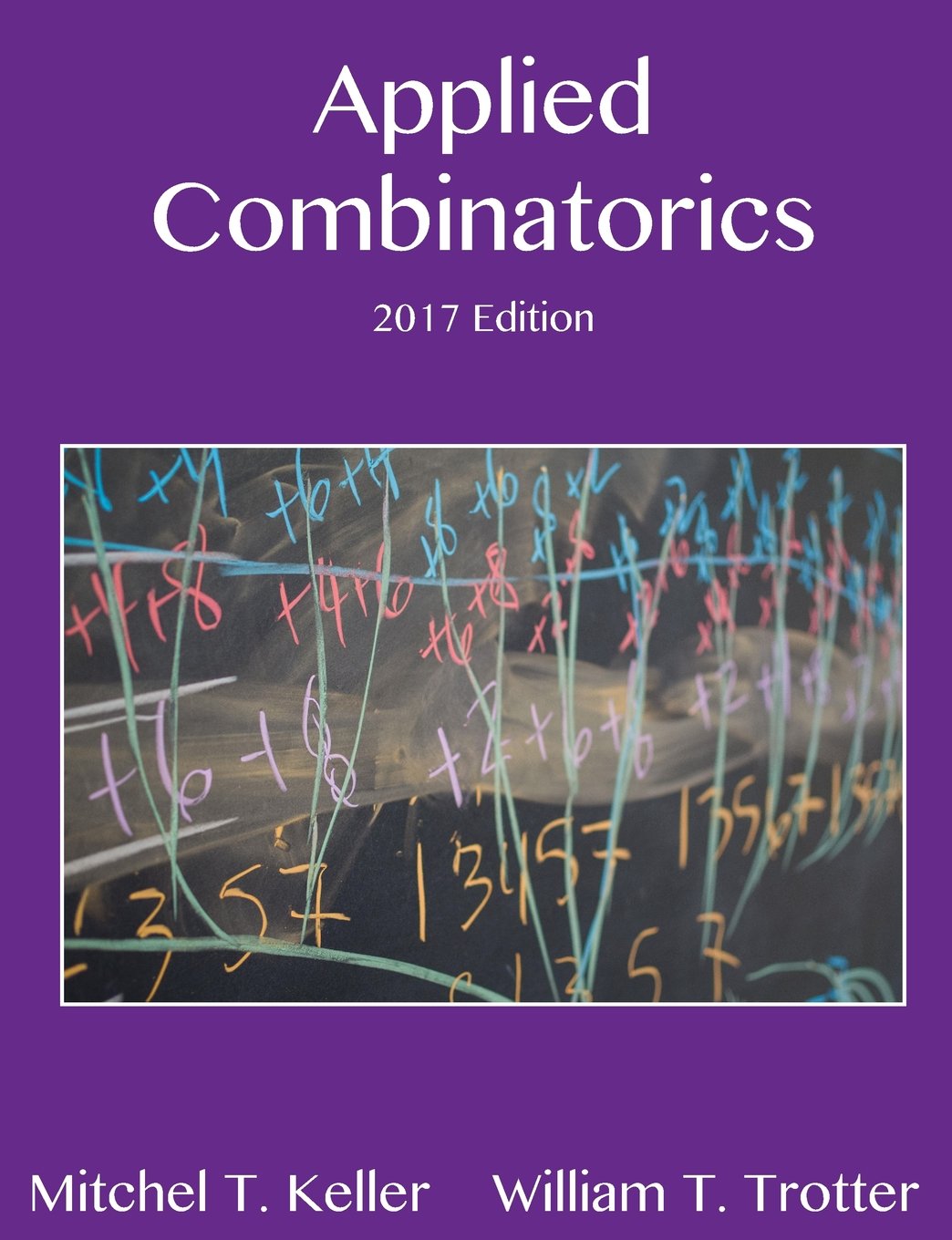
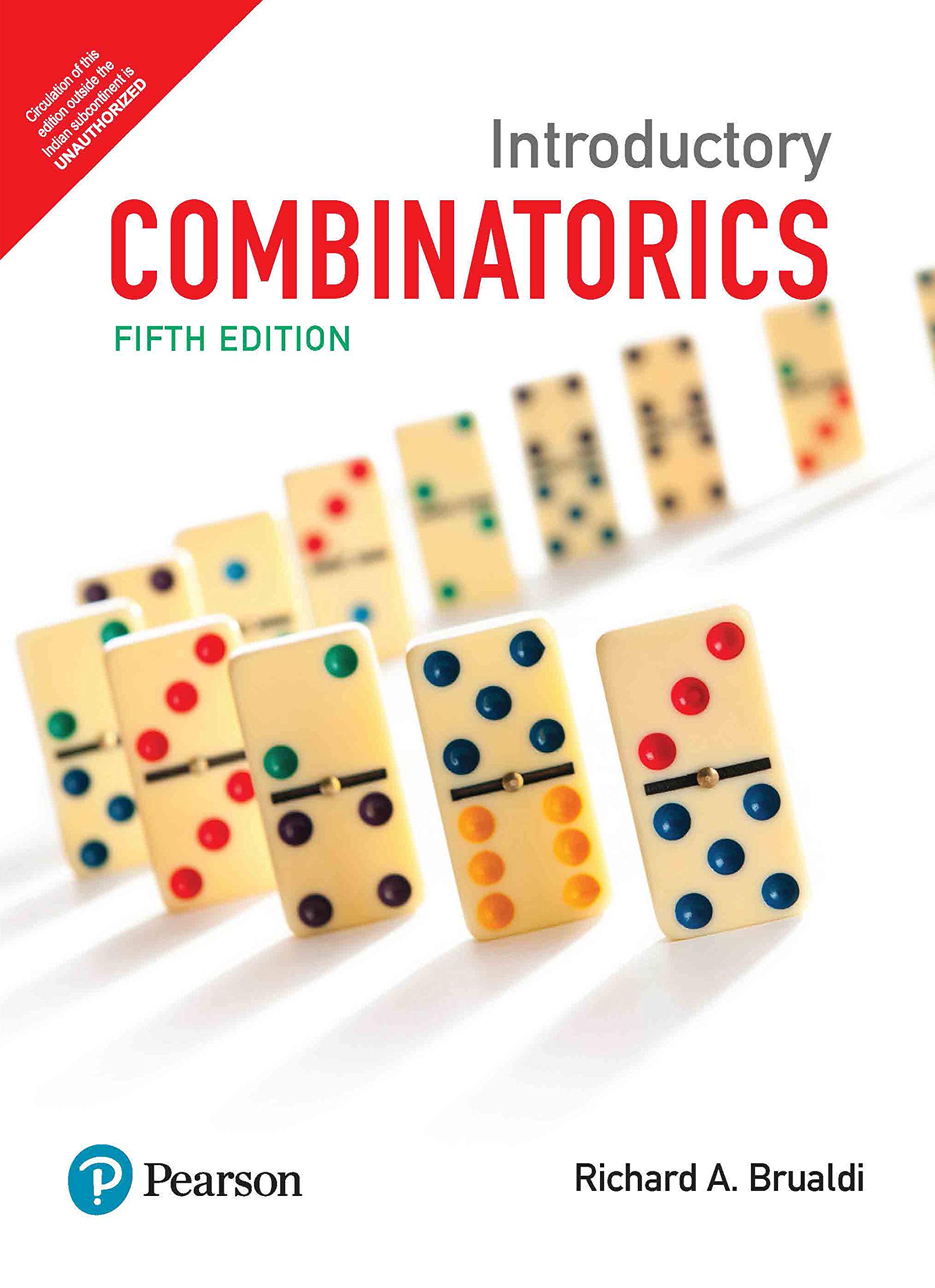
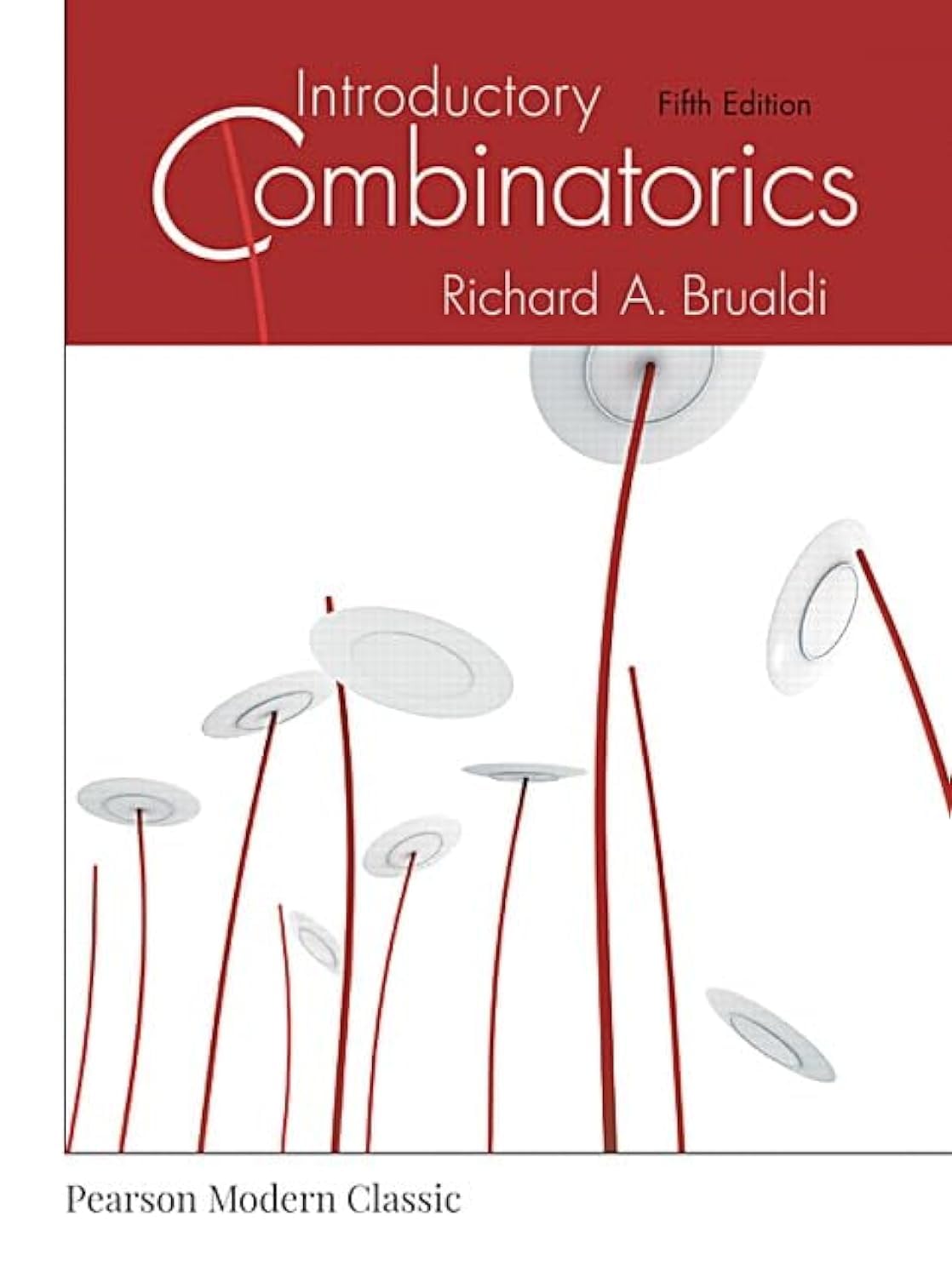
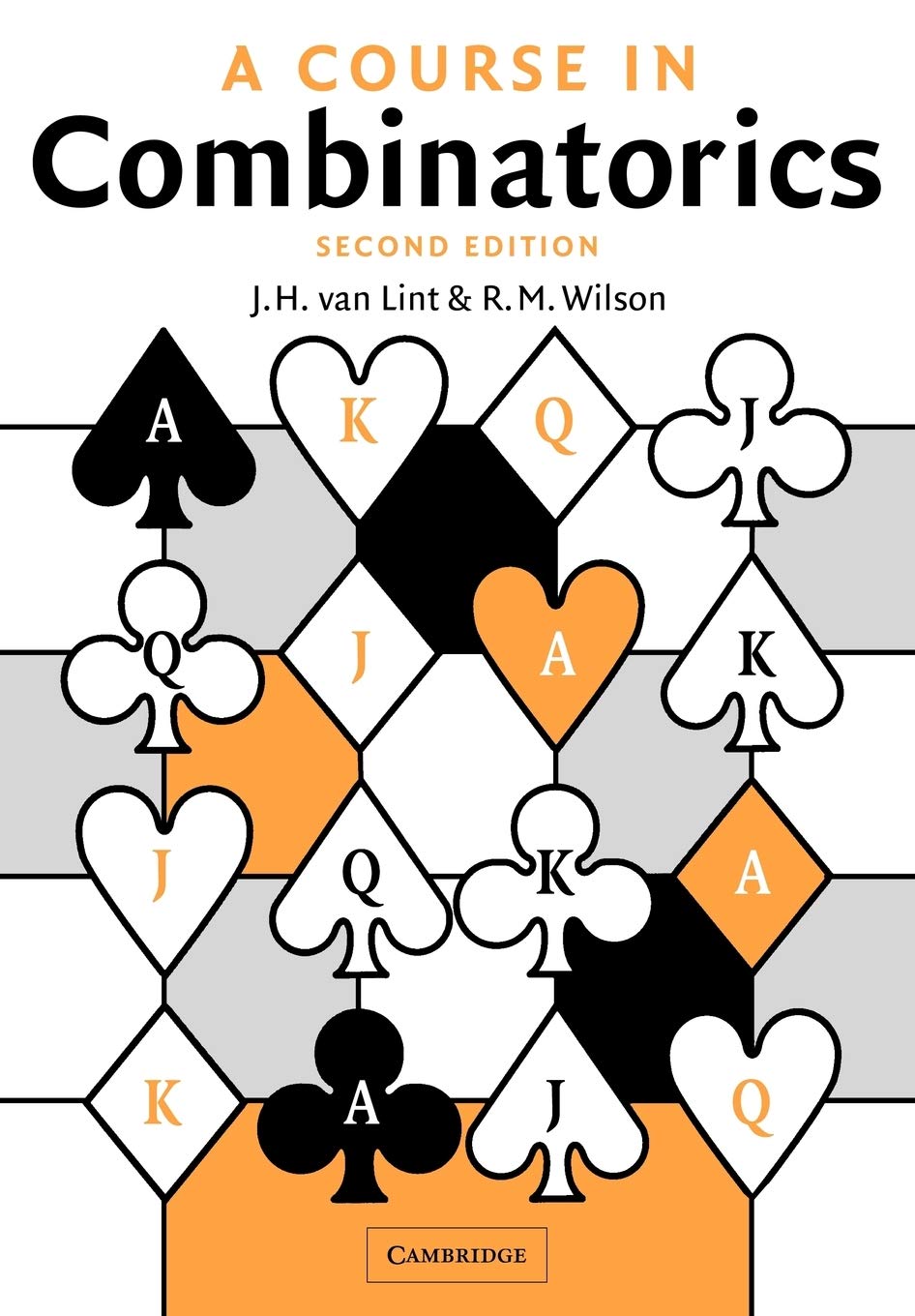
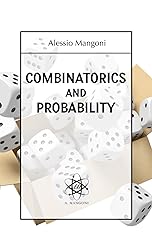
Combinatorics and Probability
Format:
Paperback
Detalles del producto
Disponibilidad:
En stock
En stock
Peso con empaque:
0.36 kg
0.36 kg
Devolución:
Sí
Sí
Condición
Nuevo
Nuevo
Producto de:
Amazon
Amazon
Viaja desde
USA
USA
Sobre este producto
- Combinatorics is a powerful mathematical tool with many applications. It is used to solve practical problems, complete school or university exercises, or simply to train your mind to think logically, even in the presence of complex situations. For example, you might be interested in knowing how many ways you can choose a representative and a vice-representative from a group of twenty candidates. These types of problems, and many others, may seem difficult to solve, but we will see that this is not necessarily the case. The aim of this book is to provide the essential methods for solving both simple and complex problems. We will approach the various topics with a dual perspective: the intuitive approach, which is more suited to developing logical thinking and to competitions like the Mathematics Olympiads, and the formal approach, which is more appropriate for solving standard school and university exercises. Probability is closely related to combinatorics and is based on the concept of associating a number with an event that represents the degree of confidence in its occurrence or non-occurrence. For example, we intuitively say that the probability of getting heads when flipping a fair two-sided coin is 50%. This is because there are two possible outcomes, heads or tails, and both have an equal chance of occurring. In this case, the probability is exactly the ratio between the number of favorable outcomes (getting "heads", which is 1) and the number of possible outcomes (which is 2), resulting in 1/2 = 0.5, or 50%. Probability is highly useful in many situations and is widely used across all scientific disciplines. For instance, the concept of probability is found in the physical meaning of the square modulus of the wave function of a particle in quantum mechanics, or in the meaning of decay amplitudes of certain particles in theoretical particle physics. In fact, probability is also used in everyday life. It can help in making decisions, such as whether to take one road over another or to choose certain behaviors in specific situations. In order to perform combinatorial and probabilistic calculations efficiently, it is important to understand sets and their properties, as well as to have a solid foundation in related mathematical concepts. For this reason, the first chapter is dedicated to sets, the second to combinatorics, and the third to probability. Each chapter includes detailed examples, and at the end of each, there are solved and assigned exercises.
U$S 15,58
49% OFF
U$S 7,99
IMPORTÁ FACIL
Comprando este producto podrás descontar el IVA con tu número de RUT
NO CONSUME FRANQUICIA
Si tu carrito tiene solo libros o CD’s, no consume franquicia y podés comprar hasta U$S 1000 al año.
U$S 15,58
49% OFF
U$S 7,99
 Llega en 5 a 11 días hábiles
con envío
 Tienes garantía de entrega
Compra protegida
Disfruta de una experiencia de compra segura y confiable
![]() Garantía de entrega
Garantía de entrega
Con Tiendamia todas tus compras cuentan con Garantía de Entrega o devolución total de tu dinero.
Compras 100% seguras y garantizadas, para que pidas lo que soñás y lo recibas del mundo a tu puerta.
Saber más.
Tarjetas prepagas, debito, y credito
Paga hasta en 12 cuotas sin interés con tarjetas de crédito.

Visa

Mastercard

American Express

Dinners

Discover

Lider

Midinero

OCA

OCA Blue

Tarjeta PREX
Pagos a través de PayPal
Paga en dólares con Tarjetas internacionales a través de PayPal.

PayPal